The Apple Watch Series 7 offers the same suite of sensors as the Series 6. These include an accelerometer, a gyroscope, a heart rate sensor, a barometer, an always-on altimeter, a compass, an SpO2 sensor, and a VO2 max sensor. These sensors have a host of health and fitness tracking features, including blood oxygen monitoring, heart rate monitoring, sleep tracking, fall detection, workout tracking, and more.

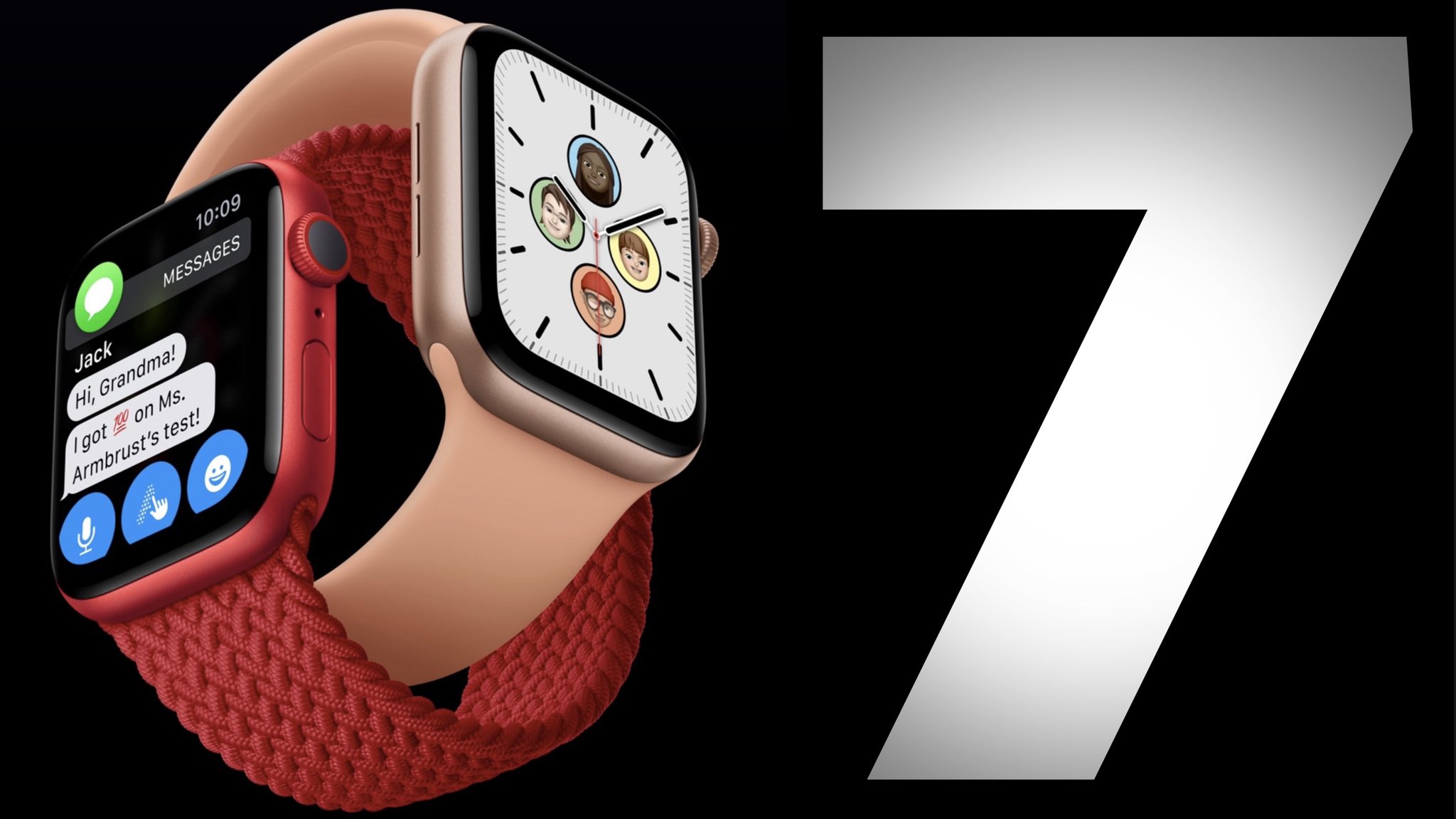
The Apple Watch Series 7 (starting at $399) is Cupertino's latest flagship smartwatch. The Series 7 is Apple's most attractive and durable wearable yet, and an Editors' Choice award winner. It introduces a larger screen with a QWERTY keyboard for the first time, new color options, faster charging and improved durability for the same price as the Series 6. Of course, it's not perfect -- the battery life hasn't improved, and Apple's sleep tracking still generally lags behind the competition. But it's undoubtedly the best smartwatch for iPhone owners, which is why we give it the best ranking.

As I see it, the Watch Series 7 is a slightly more appealing first Apple Watch than previous versions because its larger screen makes it a little easier for novices to get around the Watch. Is this, starting at €429, a better choice than the mid-tier Watch SE at €299? For me, it would be a toss-up if the difference were only the extra screen size and ECG and blood oxygen sensors, neither of which the SE model has. With the SE or entry-level Series 3 model, you have to flick your wrist up to see basic informational, like the time.

With the Series 7, it has a dimmer version of the main screen that is always on, so you can glance at your watch without having to flick it once or twice to make sure it wakes up. So if you're going to get an Apple Watch, you're better off going all-in for the sake of an extra €129. The Apple Watch Series 7 is powered by an S7 SiP , which is a rebranded S6 SiP from Series 6; watchOS 8 performance is identical on Series 6 and 7. The Watch Series 7 has sensors with key health monitoring features. It includes accelerator, barometer, ECG, gyroscope, heart rate sensor, SpO2 sensor and VO2 Max. Equipped with all of these sensors, the Watch Series 7 offers blood oxygen monitoring, fall detection, heart rate monitoring, sleep tracking and much more.

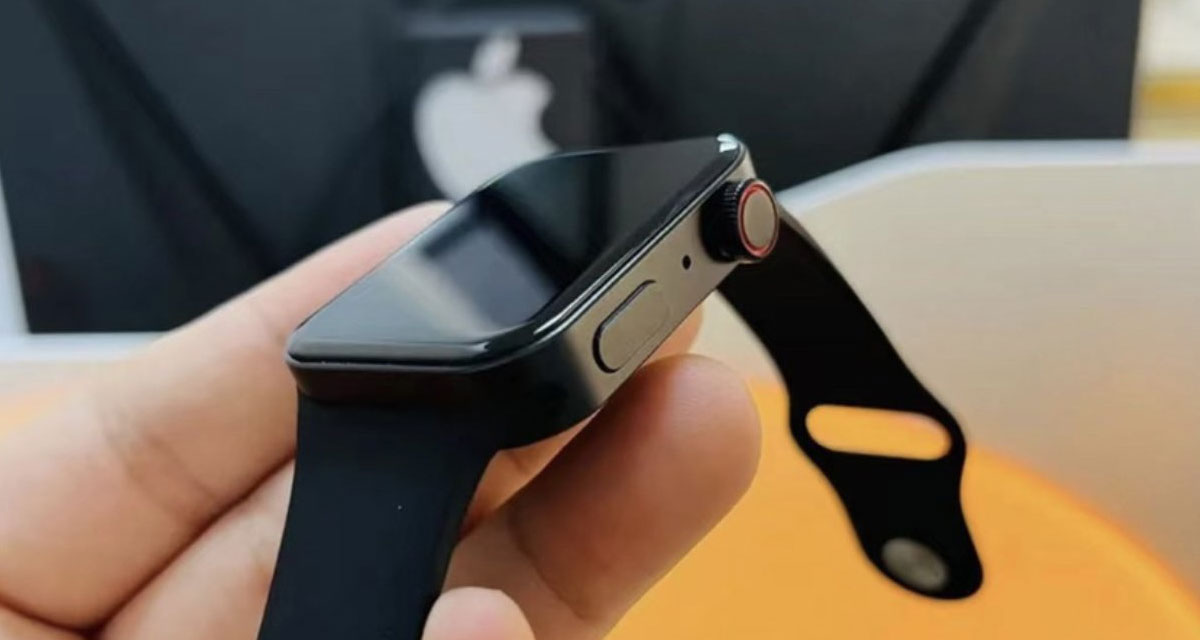
The Apple Watch can now charge 33 percent faster charging compared with Apple Watch Series 6 thanks to a new charging architecture and Apple's Magnetic Fast Charger USB-C Cable and an 18W or higher power adapter. This means that just eight minutes of charging time can provide up to eight hours of sleep tracking. The Magnetic Fast Charger USB-C Cable ships with the Apple Watch Series 7, but users will need to supply a 20W or higher power adapter to get fast charging.

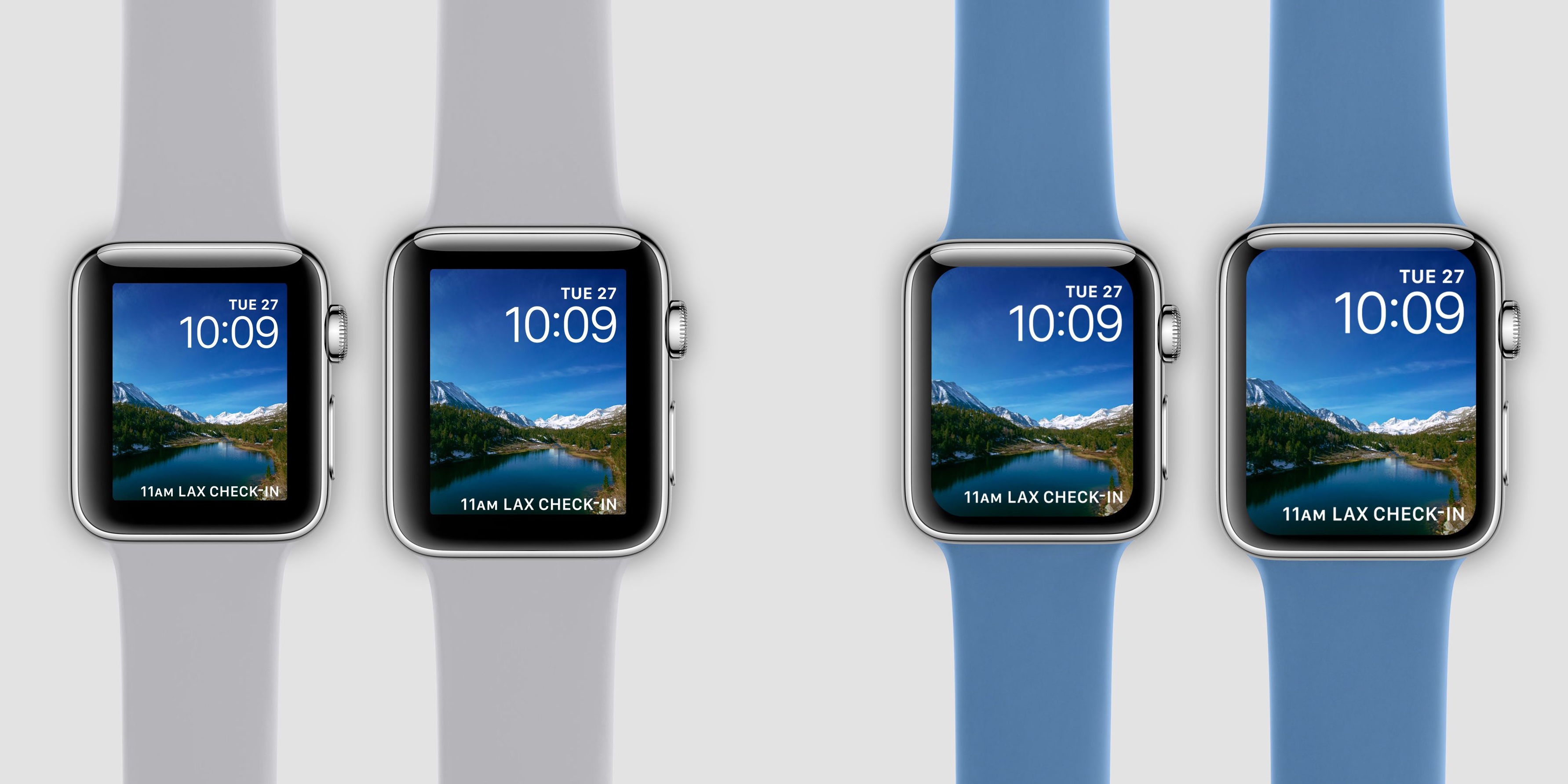
Mike EpsteinThe larger UI enabled by the larger screen improves the Apple Watch experience in subtle, but substantial ways. With more display real estate, you have the space to use larger fonts, which makes text easier to read without bringing the watch close to your face. Playing to this, the 45mm Series 7 model features three new, larger text fonts. That's in addition to features that have been in the Apple Watch for years, like Apple Pay. The Apple Watch Series 7 builds upon its class-leading predecessor with a larger screen, faster charging, and improved durability.
Between the hardware updates, ample health and safety features, and unrivaled third-party app selection, it offers the best smartwatch experience you can get today, earning it our Editors' Choice award. Speaking of the battery, the Series 7 promises the same runtime as its predecessor, which is to say, about 18 hours. I generally found myself getting about half a day more from the new watch than the SE, despite the lack of an Always On display on the SE. The Series 7 usually stuck around for a day and a half, almost two, with the screen set to Always On, and tracking between three and five workouts. I also used the device to send plenty of messages and map my walks while I ran errands with the GPS on.
That endurance is impressive given the larger screen, but it's worth noting that I haven't used the watch for sleep tracking yet. Note that the altimeter can be inaccurate in some weather conditions. The Apple Watch Series 7, announced in September 2021, is the current iteration of the Apple Watch that originally launched in 2015 and replaced the Series 6.

The Apple Watch Series 7 builds on the design of previous Apple Watch models with a more rounded design and offers some notable new features including larger displays, improved durability, and faster charging. Good news for bikers—watchOS 8 will also add fall detection for outdoor cycling and automatic cycle tracking. Apple's also tweaked the calorie burn algorithm so it's more accurate for when you ride an e-bike. Also new is a new voice feedback feature where the watch will announce workout milestones either from the speaker or through your Bluetooth headphones. Fitness+ is also getting several updates, including guided meditations, pilates, winter workout prep, and group workouts with Share Play.

The latter will allow up to 32 people to join a workout at once in the app. This year's additions were modest overall, but Apple's rumored to be working on some more advanced health features for next year, including potentially adding a body temperature sensor. Whether the charging update represents an important improvement really depends on how you use your Apple Watch. If you take it off when you go to bed and slap it on the charger, you'll hardly notice the change. Another factor that makes it hard to say whether the battery life is definitely better is the faster charging. Apple promises that it's 33% faster, and I've seen it charge from 30% to 80% in half an hour, which I would've expected to take about 45 minutes before, so I think the promise is bang on.
Apple also says that 8 minutes of charging before bed gets you enough juice for 8 hours of sleep tracking, even if it's empty. The Apple Watch 7 is basically the Watch 6 with a slightly larger screen and the ability to charge faster – most people will likely choose the Watch 7 because of the new attractive colors it comes in, rather than any new features. While it still packs a wide variety of impressive features, and is a superb second screen for an iPhone user the Watch 7 doesn't offer the battery life, fitness or design overhaul that it needs to inspire an upgrade. On a more positive note, thanks to its new charging architecture, the Series 7 juices up quickly.
With its new USB-C compatibility, the watch charges 33% faster than the Series 6. Just 45 minutes on its fast-charging puck takes it from dead to 80% battery life. If you're running low on battery life at the end of the day, popping it on the charger for just eight minutes gives you enough juice for eight hours of sleep tracking. The Apple Watch Series 7 offers the same health monitoring features available with the Series 6.

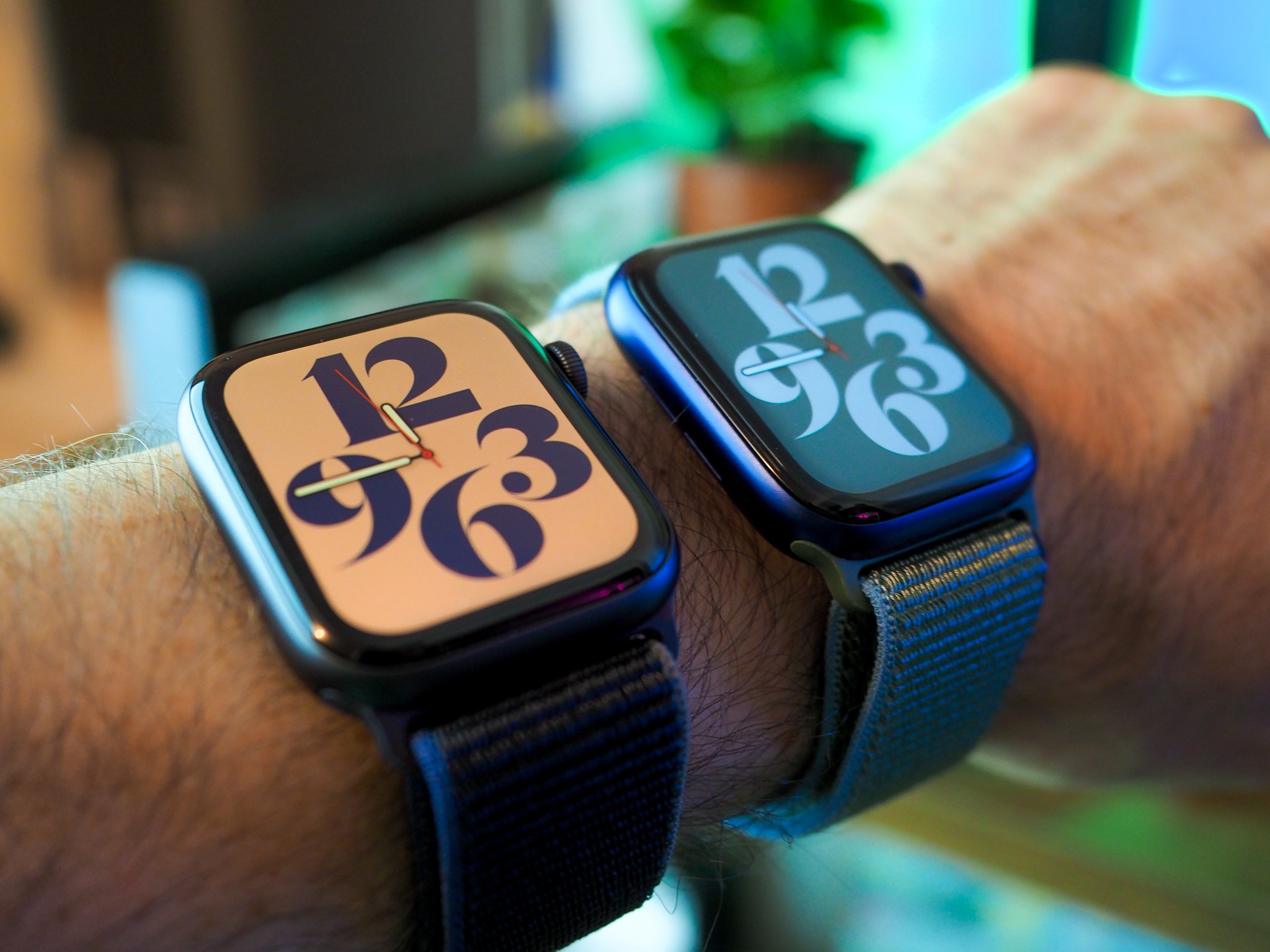
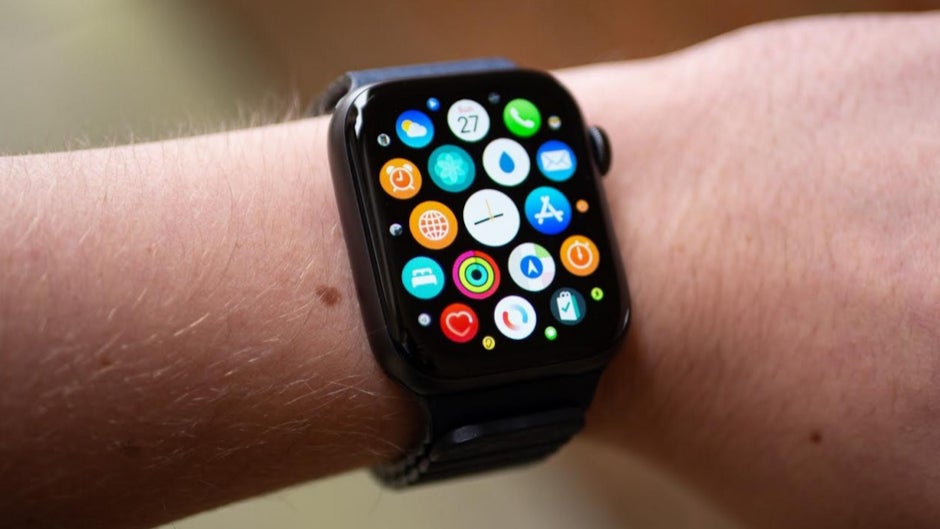
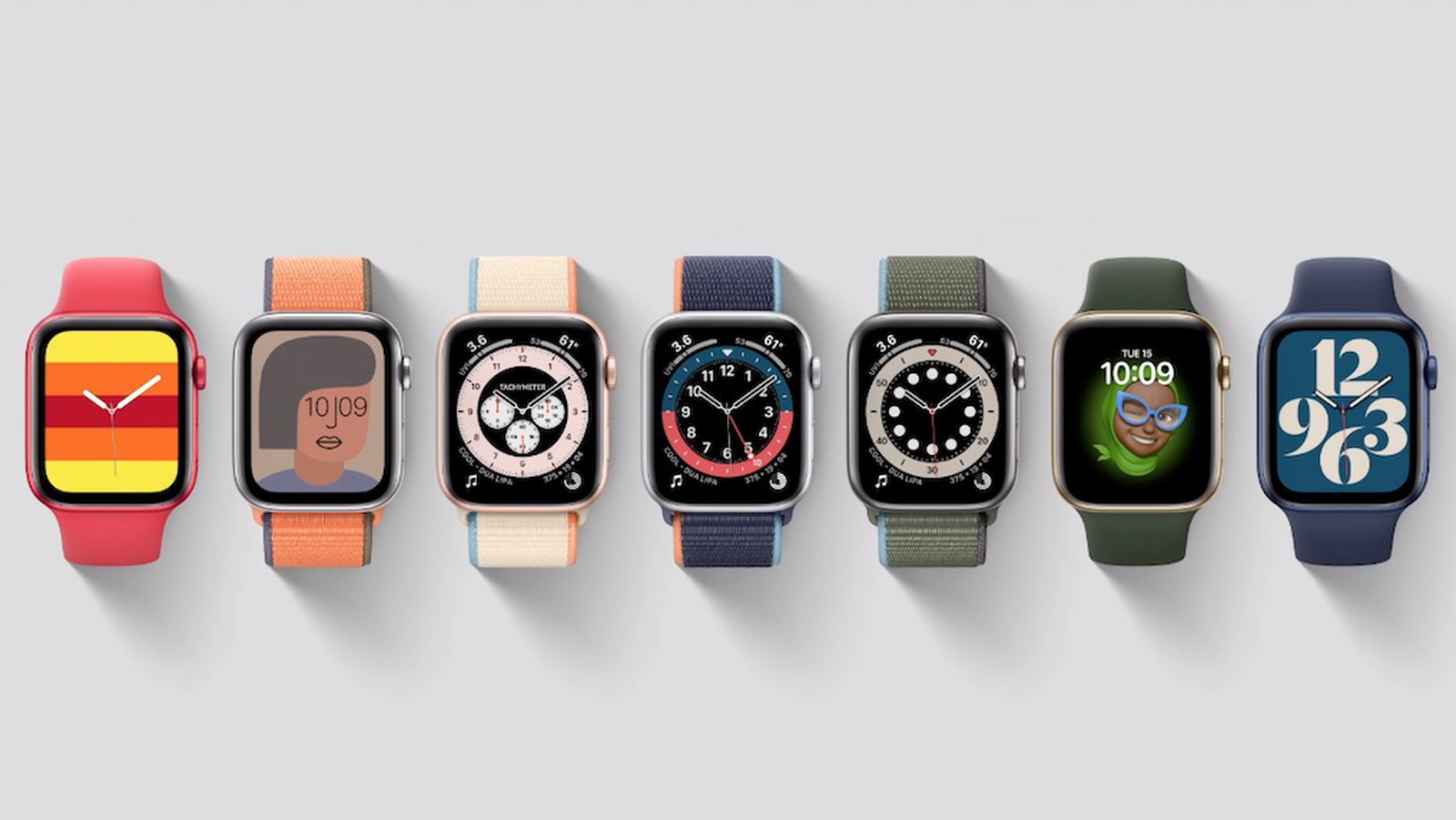
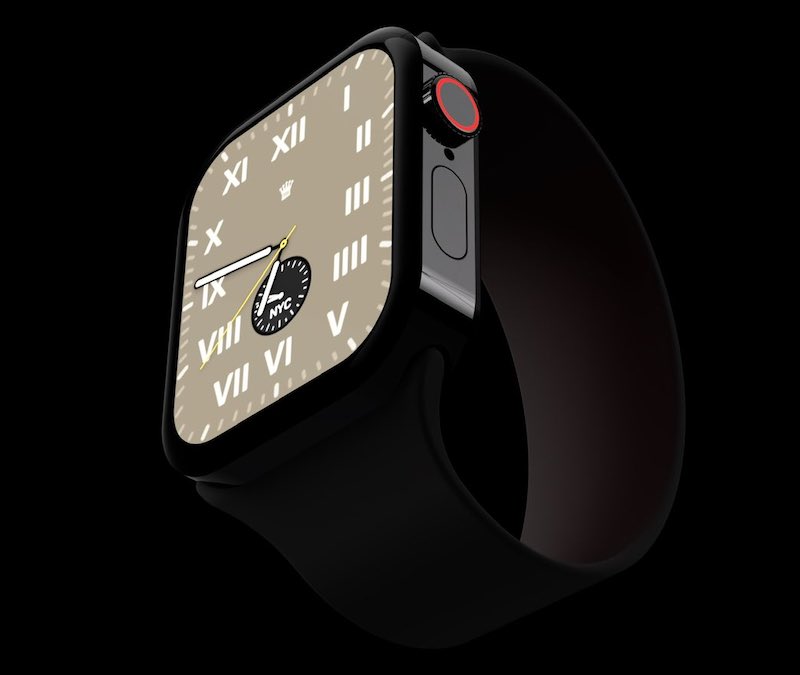
A built-in accelerometer and gyroscope enable other important health-related features such as fall detection. There are a handful of new watch faces designed to take advantage of the larger screen, including two made exclusively for the Apple Watch Series 7. The first is Contour, a classic watch face that offers big numbers that hug the edge of the screen and grow to highlight the current time. The second face, Modular Duo, lets you put two tracking features, such as your fitness goals, heart rate, or a world clock, on the watch face for easy access.

There are also some faces that work better on an Apple Watch 7, but aren't exclusive, like the very busy World Clock watch face that lets you see the time in 24 time zones at once. The Apple Watch is a weirdly amazing little upgrade to the iPhone experience and, to a lesser extent, for Mac users. Like almost all smartwatches, its primary draw stems from health and fitness features.

The Apple Watch tracks your steps and exercise, giving you feedback and attempting to spur you into a more active lifestyle. Apple's also added a premium fitness service, Apple Fitness+, which offers guided workouts for many types of exercise. Sometimes, those features are groundbreaking, like when Apple added the ability to take an electrocardiogram with the Apple Watch Series 4. WatchOS 8 enables a few new workout types and improved support for bike-based workouts, but that's about it. Compared to previous updates, the Apple Watch 7 is a one-trick pony. It has a larger display that, when combined with other screen-related tweaks, makes for easier viewing, whether you're directly engaging with the watch or checking it at a glance.

There are myriad mini upgrades sprinkled throughout, like slightly improved charging, but the Series 7's particular value comes squarely down to the screen. And yet, that seemingly superficial change has a cascading effect that improves the basic functions of the tried-and-true Apple Watch experience. While the Apple Watch Series 7 changes very little, that change feels luxurious. The bigger screen is the whipped cream and cherry on top of what is already the best smartwatch. Apple has also made some significant improvements to battery life and charging on the Apple Watch Series 7.

The company claims that the new smartwatches offer 18-hour all-day battery life, along with 33% faster charging than the previous model. There are no new add-ons for health and fitness tracking, but at the same time, existing ones work well. I have been using Apple Watch for a few years now, the activity rings offer a quick glance of the day's workout/activity and what I love the most is when the watch reminds me to walk a little more to complete my day's activity.

The Breath app is great for mindful breathing and relaxing, something I use a lot when I feel stressed. The blood oxygen measurement, heart rate monitoring and ECG are bang on . The Apple Watch Series 7 is Apple's flagship smartwatch for a reason. Not only does it have a bigger screen than earlier Apple Watches, it's also more durable thanks to a dust and crack-resistant design.

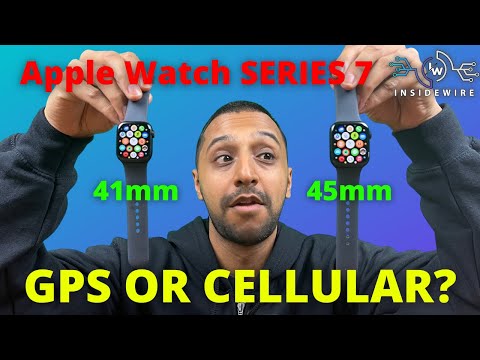
It has a blood oxygen and electrocardiogram sensor and is available in either a 41mm or 45mm case size. You can also choose a cellular or LTE model that lets you take calls and answer messages from your wrist without your phone, although that does cost extra. (To that end, a brighter screen and faster charging are better, too.) The Apple Watch Series 7 is absolutely the best Apple Watch to date. There's no question that people coming to the device for the first time should pick one of the Series 7 models. Slowly yet gradually, Apple is making the best smartwatch for iPhones a little better.

The battery life of the Apple Watch Series 7 is as follows - it should last all day on a single charge. Compared to the previous generation Apple Watch model, the Watch Series 7 charges 33% faster. In the Series 7, Apple uses a new magnetic fast charger with a USB-C cable that charges the Watch faster. In Watch Series 7, the battery level fills up to 0-80% in 45 minutes.
But at the same time, I would have liked to see more from the Series 7. Longer battery life is always on my wishlist, but Apple could have also done more to leverage the Series 7's existing technology. A broader selection of new watch faces designed to take advantage of the Series 7's larger screen would have been nice.

And more than a year later, I'm still not entirely sure what to make of the results from the watch's blood oxygen sensor. We also expected to see an upgraded U1 ultrawideband chip in the Series 7 per a Bloomberg report that was published ahead of the watch's launch, but that didn't arrive either. Apple Watch Series 7 models are also able to charge 33 percent faster, with just eight minutes of charging providing up to eight hours of sleep tracking time. There are some tradeoffs with the Apple Watch Series 3 because it is a much older model, such as a smaller display, an older chipset, and the lack of a compass, fall detection, ECG, and blood oxygen monitoring.
With the Series 7, Apple definitely didn't reinvent its smartwatch, and there are also no larger changes compared to the Series 6. But the slightly larger displays are surely nice to look at, and particularly the smaller model is enhanced by this. While the fast charging technology cannot be considered an innovation, it can make quite a difference in everyday operation, particularly if you want to use all the features of the watch to the fullest. Indeed, the Apple Watch Series 7's performance, battery life, and health and fitness sensors are identical to the Series 6. It's basically the same smartwatch with some minor, positive updates – and that's totally fine. The Apple Watch Series 7 is a great smartwatch that still feels powerful, stylish, and full of useful features for iPhone users.
The Series 7 features the same 18-hour battery life as the last couple of models. On a full charge, the watch tends to last through just under two days of normal use, so you will need to find a time to charge it during the day if you use the watch for sleep tracking. The new Apple Watch can charge 33% faster, but only with the included charging puck, and not, for example, with Apple's older Apple Watch Magnetic Charging Dock or the more recent MagSafe Duo charger. Apple says that 8 minutes of charge can provide 8 hours of sleep tracking, and that, "it takes about 45 minutes to go from 0 to 80% charge," so you can do a quick top-up when you need it, and wear the watch nearly 24 hours a day. But the temptation to upgrade will be strong for anyone with Apple Watch 4 and earlier, though.

You'd be stepping up to getting the Always-On screen as well as the pulse oxygen sensor, and improved sensors in lots of other ways too, including more accurate heart rate sensing and a much better compass for directions. Though the differences between the Series 6 and 7 seem minor, it's worth a reminder that most people who own last year's model likely aren't looking to upgrade yet anyway. For anyone else who's looking for a new smartwatch, the Series 7 will be a satisfying purchase, especially if you've never used one before.
WatchOS is a capable and comprehensive system that can help you track your workouts, automatically log your sessions, prompt you to be more active and mindful of your mental health all while being a great extension of your smartphone. It's not the best at sleep-tracking, though, so if that's a priority you might prefer a Fitbit. Despite its relatively high starting price of $400, what Apple offers is currently the best in the market, especially for the iOS ecosystem.
The Series 7 does usher in a new feature that logs your respiration rate while you sleep, and then tells you your breath-per-minute rate the next morning. This means they're less likely to sway your decision on whether to get the Series 7 if you already have an Apple Watch. The main things exclusive to the Series 7 are the Modular Duo and Contour watch faces, larger font sizes and buttons, and the QWERTY keyboard. Starting at $399, the Apple Watch Series 6 has the most advanced features Apple offers on a smartwatch, with an even brighter screen than the Apple Watch SE that's easy to see even when it's on standby. The Series 6 is the only Watch with an always-on display and it has a built-in ECG app on your wrist. Even though there's a lot to be said about faster charging, battery life on the Series 7 has been better than I expected.
Unless I go on an extended outdoor bike ride and use GPS, the Series 7 gets through a full day of use and sleep tracking that night without needing a quick top-off charge. Finally, keep in mind that for all their impressive features, Apple's and Samsung's smartwatches offer only one-day battery life. If that's one of your main concerns, we suggest the Editors' Choice-winning $229.95 Fitbit Versa 3, which offers less in the way of third-party apps and feels a bit less refined, but lasts for days on a charge. Apple Watch Series 4, which launched a year later, featured a major redesign with a screen that was 30% bigger in both models and a 50% improvement on its processor over the Series 3 version. Speakers and microphones were rearranged so they were louder and more useful, and Series 4 introduced the fall detection feature, ECG capabilities, and the second-generation heart rate monitor.
When Apple introduced the Apple Watch Series 3 in 2017 a lot of things changed. The company started seeing the Watch more like a fitness device rather than a fashion one, although it was available in aluminum, stainless steel, and ceramic models. This Watch had a chip 70% faster than its predecessor, increased RAM, and introduced the LTE cellular connectivity variant with 16GB of storage. As I said above, it's the most capable overall smartwatch out there for iPhone users (it doesn't work with Android watches). No other smartwatch gives you the combination of fitness, health, music control, maps and paying for things as comprehensively or as simply as this device. Little things, like its ability to bypass your iPhone's Face ID or pin code when you're wearing a mask, make you love it.
And the Watch's increasing focus on health — from fall detection technology to warnings about irregular heartbeats it detects — make it attractive to a growing number of senior citizens. The catch is that the screen isn't as sharp and impressive as the Apple Watch's, and you don't get the full Apple ecosystem experience with iPhones and other Apple devices. The Apple Watch Series 7 is one of the products we expect to see during Apple's big iPhone 13 keynote later this month.


No comments:
Post a Comment
Note: Only a member of this blog may post a comment.